

BriczBricz

Your network conditions change.
Your fulfillment decisions should change with them.

The Bricz Decision System continuously turns changing operating conditions into better fulfillment decisions, carried out by the execution systems you already run.

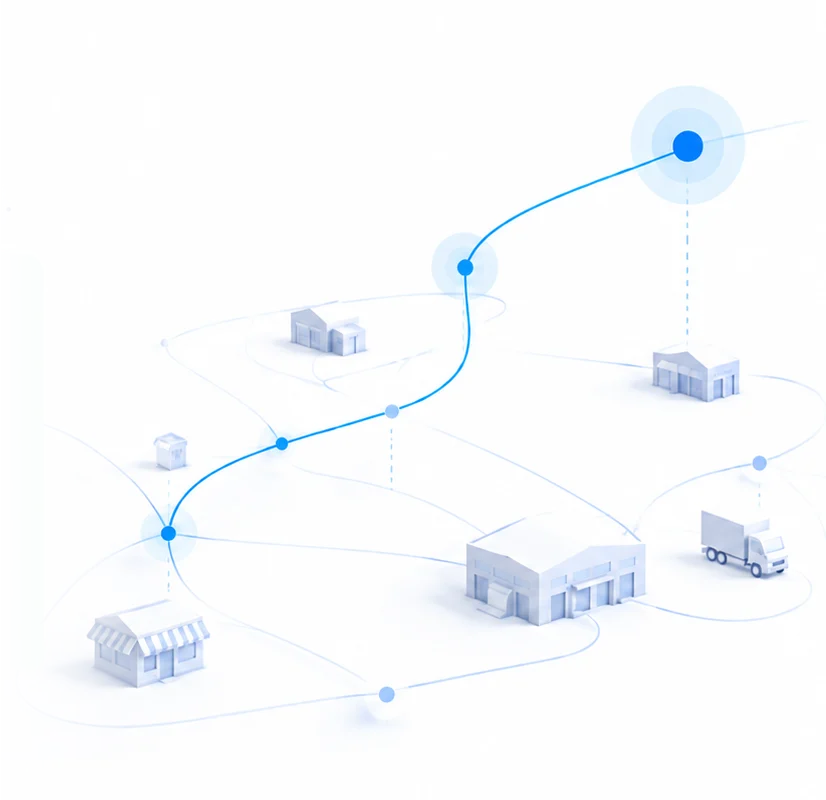
A fulfillment network of stores, warehouses and trucks connected by a decision path

Why this matters. Fulfillment networks keep evolving.

1

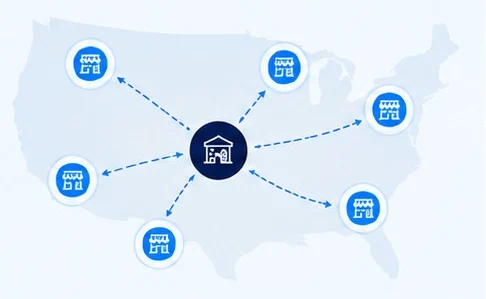
Leverage existing assets

Make existing inventory and facilities work harder to serve more demand.

Map: one distribution center serving stores across the country
2

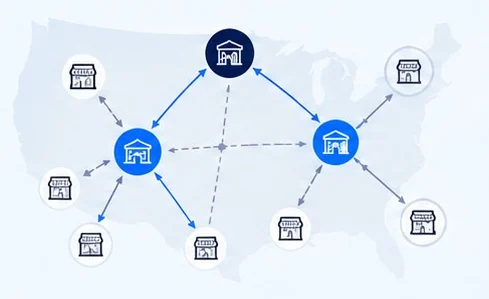
Expand network reach

Add regional facilities, distribution partners or 3PLs to get closer to customers.

Map: several regional facilities and partners connected across the country
3

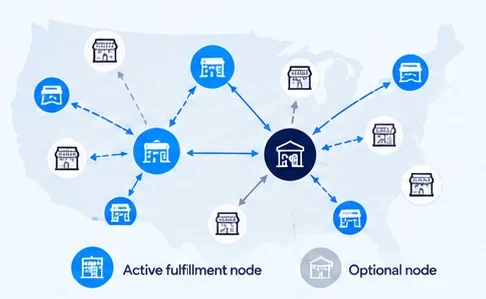
Enable flexible participation

Let different facilities take on different fulfillment roles as conditions change.

Map: active and optional fulfillment nodes taking on different roles

More fulfillment options create more complexity across inventory, capacity, cost and service, and that makes every fulfillment decision harder to get right.

The problem. Fulfillment decisions are stuck in time.

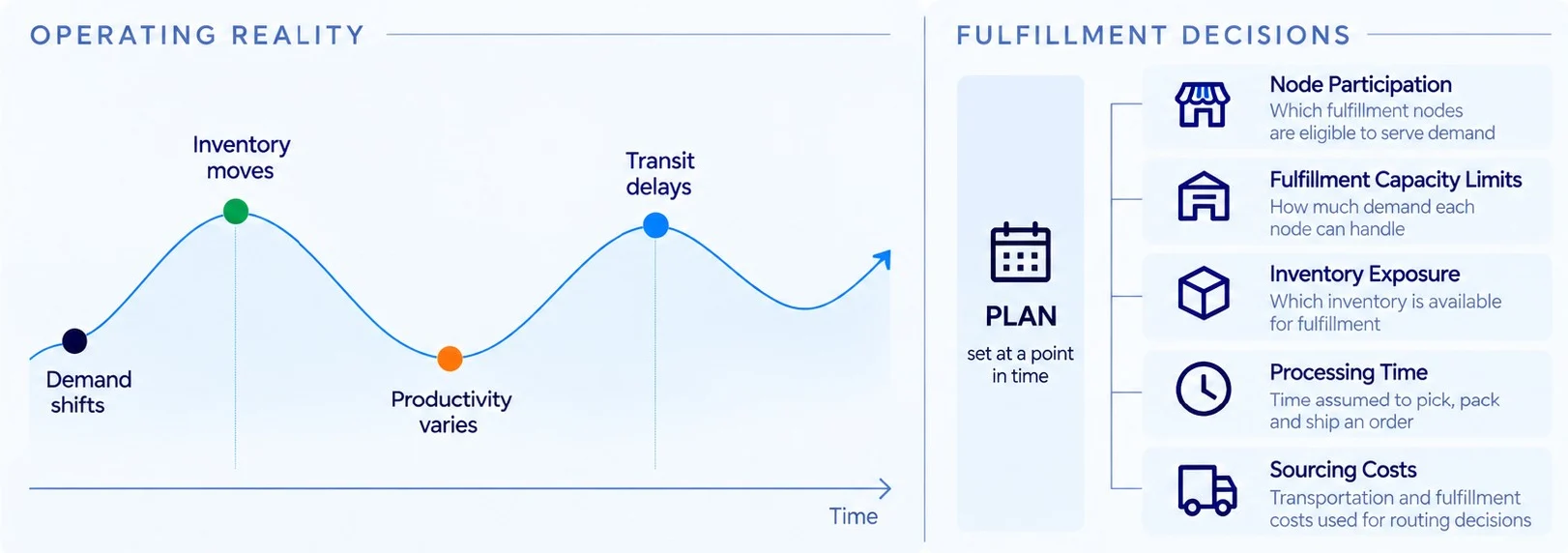
Operating reality moves every day. Demand shifts, inventory moves, productivity varies and transit gets delayed. The decisions that govern fulfillment are set in a plan at a point in time.

Left: operating reality changes over time as demand shifts, inventory moves, productivity varies and transit is delayed. Right: a plan set at a point in time fixes five fulfillment decisions: node participation, fulfillment capacity limits, inventory exposure, processing time and sourcing costs.

When decisions don’t keep up with reality, costs increase, service suffers and opportunities are missed.

The solution. A decision system for fulfillment operations.

The Decision System continuously turns changing operating conditions into better fulfillment decisions.

Assess

What changed, and what matters?

Optimize

What is the best response?

Prescribe

What should change?

As conditions change, the Decision System continuously reassesses and updates fulfillment decisions.

Network economics. Optimize fulfillment decisions using the economics of the entire network.

Inventory economics

The cost of the next unit

CostInventory position

The same jacket is worth more kept in a node with 2.5 weeks of supply than in a node with 30.

Capacity economics

The cost of the next order

CostFulfillment capacity utilization

The cost of the next order climbs as available capacity is used and additional resources are required.

Service economics

Processing time and delivery risk

Processing timeDay of week

Real processing times are not static. They vary within and across days, creating service-level risk.

Network economics

Inventory + capacity + service + transportation costs

Optimized fulfillment decisions

Applied through your execution systems.

How it works. Bricz optimizes fulfillment decisions. Existing systems execute them.

Your operations

Operating data from your existing systems

  • Orders and demand
  • Inventory across fulfillment nodes
  • Fulfillment capacity by node
  • Fulfillment costs and lanes
  • Service targets and business rules

Bricz

Decision System

Node participation

Which nodes, and how much

Fulfillment capacity limits

How much each node can handle

Inventory exposure

What inventory to make available

Sourcing costs

Lowest-cost node and service level

Processing time

Service settings by node

Your execution systems

Such as your OMS and WMS

Apply optimized decisions

As sourcing rules, allocations and other policies

Execute every order

Picks, packs and ships across DCs, stores and other nodes

No replacement required.

The Decision System sets the fulfillment policies, and your OMS and WMS execute them. You keep the execution systems you already run.

Results. Better decisions, measured in cost, service and inventory value.

Customer example 01

When demand shifted, fulfillment economics changed.

A promotion shifted demand away from plan, and the OMS executed its rules perfectly. The result: inventory ran out at the most important DC, volume moved to other nodes and a 10+ day backlog grew. Replaying the tape with the Decision System resulted in:

8%

Lower fulfillment cost per unit

2+ days

Faster delivery

$3M+

Fulfillment savings

$2M

Inventory margin uplift

Customer example 02

Moved toward a dynamic store participation model.

A three-DC network modeled removing one DC and adding selective fulfillment from six hub-stores.

3 DCs2 DCs2 DCs + 6 hub-stores

$300K

Modeled annual variable-cost savings

6%

Faster delivery (5.1 to 4.8 days)

Additional fixed-cost savings

Not included above

Implementation path. Validate the value before you scale.

A simple, low-risk path from opportunity to measurable results.

1

Quantify the opportunity

A high-level view of the value you can create.

Fulfillment cost

Current cost per order

Service

Promise-keep rate and service failures

Inventory

Inventory value and exposure

Output: an estimated annual opportunity across cost, service and inventory.

Estimate the value of better fulfillment decisions
2

Activate and measure

Use your actual data to deliver real results.

Connect your data

Orders, inventory, capacity and network

Make better decisions

Recommendations and policy updates

Measure the impact

Cost, service and inventory

Output: measured value, with real improvements on your data.

First 8 to 10 weeks: validate measurable results with your data.

Define scope, run the analysis, test policy changes and measure the impact.

Book a Diagnostic

Analyst view. The market agrees the gap is real.

IDC PeerScape · March 2026

Omni-Channel Order Orchestration and Fulfillment

“Even retailers with mature technology solutions find the translation of planning to execution difficult to achieve. Organizations must treat order orchestration as a continuously optimized capability.”
Download the IDC report

Decision System FAQs

Common questions from teams evaluating the Decision System.

The Bricz Decision System is a decision layer for fulfillment operations. It continuously assesses changing operating conditions, optimizes against the economics of your whole network and prescribes updated fulfillment decisions: node participation, fulfillment capacity limits, inventory exposure, processing time and sourcing costs.

No. The Decision System decides; your execution systems execute. Decisions are applied as sourcing rules, allocations and other policies in the systems you already run, and execution results feed back to improve future decisions.

Operating data from your existing systems: orders and demand, inventory across nodes, fulfillment capacity by node, fulfillment costs and lanes, and service targets and business rules.

Book a diagnostic with our team, or estimate your opportunity first with the Fulfillment Value Calculator. Then we connect your data, test decision changes and measure the impact on cost, service and inventory.

The first 8 to 10 weeks validate measurable results with your data.

Let’s continue the conversation.

Book a diagnostic to see where better fulfillment decisions can lower cost, improve service and protect inventory value in your network. Prefer to start with numbers? Estimate the value first.

Decisions that move fulfillment